
21 Things You'll Remember If You Lived Through 2005
It's Sheilas' Wheels' 21st birthday! To celebrate, we're taking a trip back to 2005 and revisiting some of the gadgets, toys, trends and household favourites that helped define the era.
The world has changed a lot since we started providing insurance in 2005. We’ve been through nine prime ministers and five royal weddings. The homes we insure have changed too, with many common household items from back in the day now becoming a rare sight.
We’re taking a trip down memory lane and looking at 21 iconic items that were all the rage in 2005, but that you might have forgotten about since. Here are our top picks:
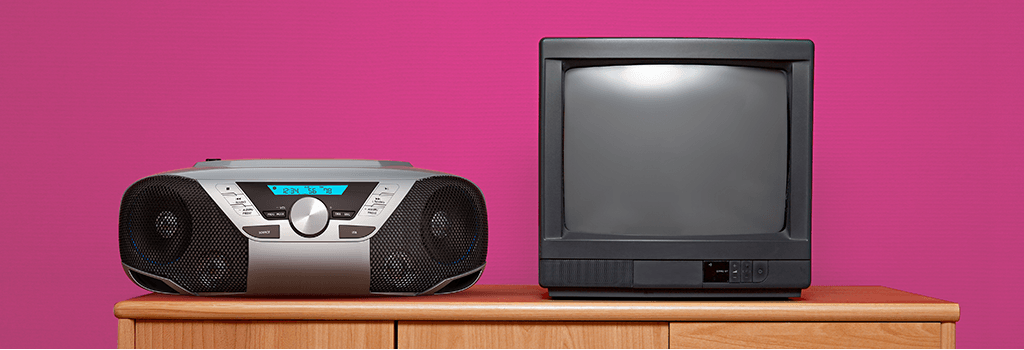
CRT Televisions
Nowadays we’re used to flat screens, LCDs, and smart features built into our TVs, but the mid-2000s were a different story. Instead, cathode ray tube (CRT) televisions were still a common sight in many homes. They were bulkier, blurrier, and had curved screens that evoke a nostalgic feeling in millions of people decades later. You could even get them in a range of colours to match your early 2000’s décor!
iPods
The 1980s had the Walkman, the 1990s had the Discman, but the early 2000s were dominated by the iPod and other MP3 players. Gone were the days of needing to carry a CD or cassette tape to listen to music on the go; now all you needed was a computer to download your tunes and a cable for transferring the music files.
The iPhone wouldn’t be released until 2007, which meant that iPods were a dominant force in a pre-smartphone world. They made it easy to play music anywhere you wanted, storing hundreds/thousands of songs in your pocket, with an unmistakable design that still lives on in the minds of 2000s kids today.
PlayStation or Xbox
In November 2005, Microsoft launched the Xbox 360, the sequel to their wildly popular Xbox gaming console. However, many Sony fans were still waiting for the 2006 release of the PlayStation 3 instead.
Because of this, you were much more likely to see earlier console generations in a typical 2005 living room. The PlayStation 2 may have been released in the year 2000, but it became the best-selling video game console of all time, with 160 million units sold worldwide by the time it ceased production.
Some of the most iconic video game series of all time also started in 2005, such as Guitar Hero and God Of War. Other major milestones included the Xbox launch of Grand Theft Auto: San Andreas, World Of Warcraft coming to the UK, and Resident Evil 4 becoming a horror classic.
Nintendo DS
While the PlayStation and Xbox ruled the home console market in the 2000s, Nintendo was the go-to company for handheld gaming. After the success of the Game Boy and Game Boy Advance, they launched the DS in late 2004, which became a worldwide hit. The console featured two screens: an LCD screen on the top and a touch screen on the bottom, with a folding clamshell design that made it easy to take anywhere.
2005 also saw the launch of the popular Nintendogs series, giving gamers a chance to raise their own cute digital puppy. Unfortunately, like many of the Tamagotchis of the time, these pixelated pups were somewhat forgotten about in later years…let’s hope they never held it against us.
CD Players
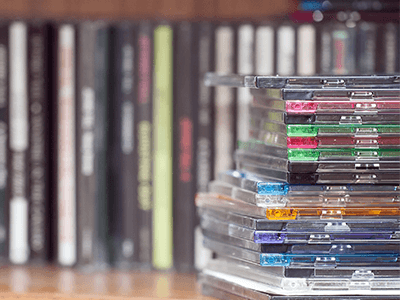
Before everyone was sharing Spotify or Apple Music playlists, CDs were the best way to listen to the biggest new albums at home. Since their invention in the late 70s and consumer launch in the 80s, CDs quickly became the best way to listen to music at home, and fans started replacing their record players and cassette players with the latest technology.
You’d often find big stereo setups in living rooms up and down the UK, usually next to a huge rack of albums and mixtapes that collectors had bought (or taped off the radio…) throughout the years.
Tamagotchi
It’s hard to forget how much the Tamagotchi dominated the late 90s and early 2000s. These keyring toys featured a small screen with a virtual pet, with players needing to check in frequently to feed, clean, and play with their Tamagotchi characters.
A recent wave of Y2K nostalgia has led to re-releases of the original models, so if you ever felt guilty after leaving your Tamagotchi at home and coming back to find it had died, maybe this year could be your shot at redemption.
Furby
On the subject of toys, there was no escaping the rise of Furbys. These colourful, furry, and slightly terrifying creatures first exploded in popularity in 1998, but with the second generation of toys released in 2005, the year was a Furby revival for kids around the world.
One of the most famous rumours about Furbys was that they had the ability to learn words that were used around them and repeat them back, when in actual fact they only came with a few pre-programmed phrases. This hoax led several intelligence agencies to ban their use in the office, with top officials worrying that a Furby could leak their company’s secrets.
The "Computer Room"
Before smart devices let you access the internet from anywhere, many homes in 2005 had a dedicated “computer room” or space where the family computer lived. Since PCs used to be very bulky, with lots of additional gadgets required, an old computer setup could take up a lot of space. Because of this, homeowners across the country began turning spare rooms or unused corners into dedicated areas for their computers.
Bean Bag Chairs and Inflatable Furniture
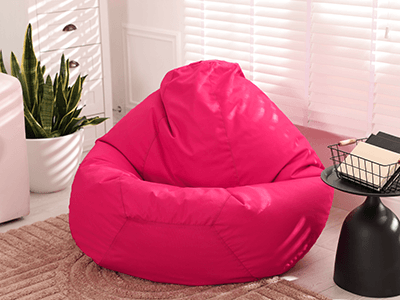
The visual design trends of the 2000s were all about bold colours, quirky shapes and fun, expressive furniture. From bean bags to inflatable chairs, these bedroom staples became a must-have for many kids and teenagers. The cosy bean bag seats were filled with foam pellets or plastic beads that would move around to fit your body, meaning you could find a comfortable resting position just about anywhere. While inflatable furniture offered a lightweight and colourful alternative that could be easily moved around.
Yellow Pages
Before smartphones and the internet gave you a whole phonebook in your pocket, the Yellow Pages were an essential part of everyday life. They were telephone directories that listed thousands of important phone numbers of businesses, but rather than listing them alphabetically, they were grouped into categories. This allowed you to quickly flick through the book for the service you needed and make a call.
Paper Takeaway menus
Another novelty the internet has taken from us was paper takeaway menus. Every home had a drawer full of menus from nearby restaurants, usually with tattered and stained pages as the text slowly began to fade. These are still available at plenty of establishments, but since most menus are just a quick online search away now, they’ve fallen out of popularity.
Takeaway and delivery apps have also made it easier than ever to find the meals you want, and GPS tracking means we’re not waiting by the door non-stop for 20 minutes wondering where our pizza is anymore (well, mostly…).
Blockbuster Membership Cards
Did you know that Netflix originally started as a movie rental service in 1998, before switching to streaming in 2007? At the time, its biggest competitor was Blockbuster, which was the go-to store for renting DVDs and VHS tapes.
When Blockbuster peaked in 2004, it had more than 9,000 stores worldwide, and its membership cards were a common sight in homes across the country. 21 years ago, film fans would have been renting the latest 2005 releases, like Batman Begins, Pride & Prejudice, and Star Wars: Episode III - Revenge of the Sith.
Cadburys Easter Egg Mugs
Starting in the 1980s and running until the 2000s, Cadbury used to package novelty mugs with their Easter eggs, featuring the logos of their most famous chocolates. They stopped the promotion years ago, but by the time the mugs had stopped production, thousands of families already had their own Cadbury-branded mugs on the shelf.
Promotional mugs and glasses were fairly common around this time. Many British families still have their giant Sports Direct mugs at the back of their kitchen cupboards, or their collection of the McDonald's Coca-Cola glasses, but with a new batch coming out every Easter, the Cadbury mugs were especially hard to avoid in 2005.
Digital Cameras
Disposable cameras were starting to fall out of favour by the mid-2000s, and digital cameras were all the rage. These have mostly been replaced by smartphones, but the low-resolution look of digicams still evokes a feeling of nostalgia. Who could forget the red-eye effect, the strong flash, or the dreaded “memory card full” error message?
Low-rise Jeans
We’ve looked at the tech and the lifestyle of the 2000s, but the era was also known for its fair share of fashion trends. Low-rise jeans became one of the defining fashion trends of the mid-2000s, with waistbands sitting lower on the hips than traditional styles. Just add a pair of Ugg boots, a too tight t-shirt, and a statement belt, and you’d be right on the cutting edge of mid-2000s women's fashion!
Earthy Interior Design
This entry is a little more abstract, as we’re not looking at a physical object that was in every home, but one of the most common interior design trends instead. In the mid-2000s, earthy tones and warm colour palettes were one of the most common features of home decor, with accent walls adding a touch of personality to kitchens, living rooms, and bedrooms.
Deep shades of red, like blood red and burgundy, were especially popular at the time, while other tones like terracotta and chocolate brown offered a warm touch. Of course, these were often balanced out with more neutral colours, but when compared to the home design trends we’ve seen recently, mid-2000s interiors are always easy to pick out.
Portable DVD Player
Portable devices like tablets and smartphones have made it much easier to watch films on the move nowadays, but portable DVD players were once a staple of road trips and other long journeys. Usually featuring a fold-out screen, these compact devices were much smaller than your typical TV, but they would let you enjoy movies from anywhere with a plug socket.
Silicone Wristbands
Following their use by several charities during 2004, by 2005, silicone wristbands were everywhere and you’d often see people wearing multiple coloured bands at the same time. They doubled as a fashion statement and a way to spread a political message, which led to some bans in schools by the end of the year, but they remain one of the biggest fads of the time period.
Heelys
While they were never the pinnacle of fashion, Heelys were one of the biggest trends of the mid-2000s, although they’ve mostly disappeared in the 2020s. These shoes came with a thick wheel attached to the heel of each sole, letting wearers glide across the floor like they were on roller skates, before switching back to walking at a moment’s notice.
Trading Cards
Trading card games have had a resurgence in popularity since the COVID-19 pandemic, with collectors coughing up thousands for rare cards or limited-edition designs. Before trading cards had their renaissance, though, the mid-2000s saw kids all over the world competing with their decks and swapping cards in the playground.
Pokemon was as popular as ever, while Yu-Gi-Oh! also proved to be a hit with younger audiences. For sports fans, Panini trading cards took over, with kids swapping their favourite rising football stars like Ronaldinho, Frank Lampard, and Cristiano Ronaldo. Some enthusiasts had huge binders filled with their best finds, many of which are still lying around in attics and storage cupboards to this day. If you still have your hands on a trading card collection, you might be shocked at how much fans would pay for your haul now!
Flip Phones
As you can probably tell from this article, 2005 was a big year for new tech. YouTube had just launched, Facebook had a rebrand that would eventually turn it into one of the biggest sites in the world, and everyone was organising their top friends on MySpace. Arguably the biggest trend of the year, though, was the flip phone.
Portable technology was the big new focus in the 80s and 90s, but the 2000s aimed to make those designs even more convenient. Now, not only could your mobile phone fit in your pocket, but you could fold it up to make it take up even less space. Before big screens became a selling point for smartphones, it was a huge innovation that every tech company wanted to get in on.
We’ve even seen the style make a comeback, with folding smartphones hitting the market in 2018. They’re obviously much more powerful and stylish than the old models we used to text each other on 21 years ago, but their return shows just how novel an idea this was at the time.
Futureproof your home with Sheilas’ Wheels
While many of the gadgets, trends and household favourites from 2005 have disappeared, protecting the things that matter most never goes out of style. Whether your home is filled with the latest technology or a few nostalgic treasures from years gone by, Sheilas' Wheels offers buildings and contents insurance to help keep your home and belongings protected.
iPod and iPhone are trademarks of Apple Inc.
You might also be interested in
How to keep your house warm on a budget
Here are some smart, affordable hacks to keep things cosy, no matter how chilly it gets outside.

Embrace the Scandinavian love of winter Hygge
How to make your home extra cosy this snuggly season