
How to allergy-proof your home this summer

Summer should be all about sunshine, fresh air and enjoying your home with the windows wide open - not battling constant sneezing, itchy eyes and that annoying stuffy feeling.
For allergy sufferers, the warmer months can often bring an array of unpleasant side effects. With pollen levels climbing and dust settling, your home can quickly start holding onto the very things that make you feel so uncomfortable.
The good news? You don’t need to strip your space of all personality to make it more allergy-friendly. A few easy swaps and simple habits can help keep things feeling fresher, cleaner and far more comfortable. When it comes to allergy-proofing your home, it’s usually the small changes that make the biggest difference.
What causes allergies in the home?
When it comes to indoor allergy triggers, the usual suspects are dust, dust mites, pollen and pet dander.
Dust mites are one of the biggest troublemakers, especially in bedding, carpets and soft furnishings. According to Allergy UK, they love warm, humid spaces and feed on dead skin cells, which makes bedrooms the perfect place to settle in.
In summer, pollen is another major offender, and it’s surprisingly good at sneaking indoors. It drifts in through open windows, clings to clothes, shoes and hair, then settles into carpets, curtains and bedding.
Pet dander can also hang around on furniture and fabrics, even if your pets are freshly groomed, as well as dust, which builds up quietly in the background until everyday things like walking through the house or flopping onto the sofa send it floating back into the air, ready to be inhaled.
Why do symptoms worsen in the summer months?
Hay fever tends to peak between late March and September in the UK, depending on the type of pollen in the air, as outlined by the Met Office. Warmer weather and higher pollen counts mean allergens are simply more present in your environment.
Open windows, more time outdoors and increased airflow all contribute to bringing those allergens inside, which explains why symptoms can feel harder to control at this time of year.

How to allergy-proof your home
You don’t need a full overhaul to make your home more allergy-friendly. A few simple habits can significantly reduce exposure. Here’s what we suggest:
Wash bedding regularly at high temperatures
Bedding is one of the biggest hotspots for dust mites. Washing sheets, pillowcases and duvet covers at 60°C helps to kill dust mites and remove allergens. This is one of the most effective ways to prevent dust mites.
Vacuum carpets and soft furnishings often
Carpets, rugs and sofas trap dust, pollen and pet dander. Regular vacuuming helps reduce the amount of allergens circulating in your home. Consistency matters more than intensity here, so a quick, regular clean is better than occasional deep cleans.
Keep windows closed during high pollen days
Fresh air is great, but timing matters. On days when pollen counts are high, keeping windows closed can help limit how much pollen enters your home. Checking daily pollen forecasts can help you plan when to air out rooms.
Reduce clutter that traps dust
Clutter gives dust more places to settle. Clear surfaces, minimal decorative items and smart storage solutions can all help reduce dust build-up and make cleaning quicker.
How to allergy-proof your bedroom
If there’s one room to focus on, it’s the bedroom. You spend hours there every night, so reducing allergens in that space can make a noticeable difference.
Use allergy-proof bedding and mattress covers
Allergy proof bedding, including mattress and pillow covers, creates a barrier that prevents dust mites from settling in. An allergy-proof mattress cover and allergy-proof pillow covers are particularly useful if symptoms tend to flare up overnight.
Choose hypoallergenic pillows and covers
Some materials are less likely to harbour allergens. Hypoallergenic options can help reduce exposure, especially when paired with regular washing.
Reduce dust build-up in carpets and curtains
Soft furnishings in the bedroom can hold onto dust and pollen. Washing curtains regularly or switching to blinds, along with keeping floors clean, can help support a lower allergen environment.
How to reduce dust mites in your home
Dust mites are tiny, but their impact can be significant. Learning how to prevent dust mites comes down to controlling their environment.
They thrive in warm, humid conditions, so keeping humidity levels lower can help. Regular cleaning, washing fabrics and using protective covers all contribute to reducing their presence.
Advice highlighted by Allergy UK also suggests focusing on high-contact areas like beds and sofas, where mites are most likely to gather.
How to keep pollen out of your home
Keeping pollen out completely isn’t realistic, but you can reduce how much gets inside.
Changing clothes after being outdoors helps stop pollen from spreading through your home. Showering in the evening can also remove pollen that has settled on skin and hair during the day.
Drying clothes indoors rather than on an outdoor line can make a difference too as fabric can easily collect pollen outside. Guidance from the National Eczema Association highlights simple lifestyle adjustments like these as effective ways to reduce allergen exposure.
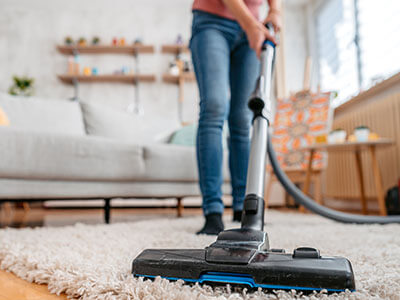
How to reduce carpet allergies
Carpets are comfortable, but they can hold onto allergens more than hard flooring.
Regular vacuuming helps, though deeper cleaning every so often can remove allergens that build up over time. If allergies are particularly severe, switching to hard flooring in key areas may be worth considering.
Advice shared by Philips also points to air quality playing a role. Air purifiers and good ventilation can help reduce airborne particles that settle into carpets.
Extra tips to help stop hay fever at home
Sometimes it’s the smaller habits that have the biggest impact.
Monitoring pollen levels can help you plan your day and avoid peak exposure times. Keeping pets clean, especially after they’ve been outdoors, can reduce the amount of pollen brought inside.
Simple daily habits like wiping down surfaces, removing shoes at the door and staying on top of laundry all contribute to a cleaner, more comfortable environment. When it comes to the best way to stop hay fever symptoms indoors, consistency is key.
Allergy-proofing your home doesn’t have to turn into a full-blown mission. A few simple tweaks, done little and often, can make a big difference when it comes to cutting down dust, keeping pollen at bay and making your space feel much nicer during allergy season.
Focus on the spots you use most, build a few easy habits into your routine and tweak things as needed. Before you know it, those small changes start to add up, helping you stay one step ahead of hay fever and actually enjoy summer without constantly reaching for the antihistamines!
You might also be interested in

Extending vs Moving
Stay put or sell up: making the choice that’s right for you

Home Sweet Home
Your monthly essential home maintenance checklist