
How To Teach Someone To Drive

For most of us, learning to drive is a rite of passage and an important milestone in our lives. What seems like a scary task at first can become second nature once you’ve passed your test, but how can you pass on your skills to the next generation of drivers?
We’ve put together a handy guide to help you teach others to drive. Whether it’s family, friends, or a partner, you’ll be able to jump in the passenger seat and lead a standout lesson in no time. Here’s everything you need to be the best instructor you can.
What do you need to teach someone to drive?
Before you start your first lesson, you need to get the legal stuff out of the way. You can only teach someone to drive if you have all the necessary documents to prove that you’ll be able to safely and responsibly handle your vehicle.
You don’t need a full driving instructor’s qualification, but you must not charge for the lessons unless you’re a qualified instructor. You’ll still have to make sure you meet the following requirements:
Valid car insurance
To legally drive a car on British roads, you’ll need up-to-date car insurance that covers your vehicle. Make sure your cover is all valid, and that your learner is insured to drive the car they’ll be learning in.
Some insurance companies allow you to add a learner driver to your existing policy to help get them on the road. If the added driver has an accident, the claim would still go against your policy and an excess would need to be paid, even though you weren’t the one driving the vehicle.
Before supervising a learner driver, check the terms of both your insurance policy and the learner's cover. Some insurers have specific requirements for supervising drivers, including minimum age restrictions. While the legal minimum age for supervising a learner driver is 21, some insurance providers may require supervisors to be older, such as 25 or above, so it's important to confirm you're eligible before getting behind the wheel with a learner.
You may be able to add learner drivers to your existing Sheilas’ Wheels policy (subject to conditions, including that additional drivers must be aged 18 or over and the policy must have been active for at least six months). Click here to find out what details you’ll need and how to add them.
Valid drivers licenses
You must be at least 21 and have held a full driving license for at least 3 years to be able to teach someone to drive, so if you’re a student who has recently passed your driving test, you might have to wait a little longer to share your expertise.
Your student also needs a provisional driving license to legally drive on UK roads. Learners can apply for your provisional license through the UK government website.
A roadworthy vehicle
You’re probably eager to get teaching at this point, but making sure your car’s papers are up-to-date is essential. Before you start your first lesson, your car needs to:
- be registered with the DVLA
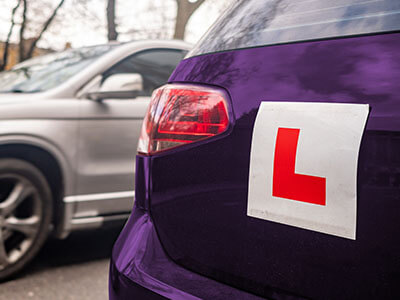
- have L-plates on both the front and back
- have up-to-date vehicle tax
- have an up-to-date MOT certificate
If your vehicle is missing any of these, you may be fined and have penalty points put on your licence. Once you’re all covered, it’s time to get driving!
Preparing for your first lesson
Now that you’ve got all the paperwork out of the way, you’re ready to teach your first driving lesson. Professional driving instructors make it look easy since they’ve had years of training and experience, but leading a first-time learner can be a tough task.
If you want to make a great first impression and help your student improve quickly, follow these top tips for a smooth sailing first lesson:
-
Brush up on your knowledge
Even if you’ve passed your test and got your license, you still might have a few blind spots when it comes to the rules of the road. Maybe you’ve forgotten what that one sign with the squiggly lines means, or you’ve spent so long in an automatic car that you can’t remember your gears.
If you’re going to be teaching a new driver, you don’t want them to learn any bad habits or remember any incorrect info, so you should revise all the essentials before you take them on the road.
You could try taking a practice theory test again, as laws and regulations may have changed since you passed, or you could read through the highway code for a refresher on road signs.
-
Choose a route that works for you and your learner
When you’re learning to swim, you start in the shallow end before working your way up to deeper waters; think of learning to drive the same way. You would never throw someone who can’t swim into the deep end, and you’d never put someone who can’t drive on a dual carriageway!
To give your learner the best start they could ask for, choose a calm, easy route that you know well. This will give you ample time to prepare a lesson and give clear instructions and directions.
Pay attention to traffic and timings too, as you won’t want your teaching to interrupt other drivers. New drivers are likely to stall, drive slowly, or forget basic habits, so you should avoid built-up areas like city centres. Learners also legally can’t drive on motorways (unless they are with an approved driving instructor) until they've passed their practical test, so make sure your planned route avoids them.
-
Practice your teaching skills
It’s perfectly normal to doubt your teaching abilities or feel unqualified to show your friend or family member how to drive. If you’re scared to start, try practising your teaching first.
Ask someone you know if they have a few spare minutes, and try explaining some driving concepts to the best of your ability. Even if they know how to drive already, their feedback can help you make changes to your teaching style, so you’ll feel more confident once you’re sitting in the passenger seat.

Tips for being a great teacher
Not everybody is a natural teacher, and that’s okay. Like any other skill, it’s something that needs to be practised, and you’ll learn just as much from the process as your student does. Here are a few things to keep in mind whilst teaching:
Be confident
If you want your students to be confident in their driving ability, you need to lead by example. Assure yourself that you’re smart and skilled enough for the job, and if you’re feeling nervous before a lesson, take some practice time to remind yourself of what you’ll be teaching. You’ve got this!
Remember to stay patient
Driving is a skill that takes a long time to learn. The average learner driver will need more than 45 hours of experience before they’re ready to attempt their first test, so don’t lose your temper if your student makes mistakes. Instead, keep your cool and calmly explain what they can do differently.
Stage mock tests
A mock test is a great way to see the progress that your student is making. By pretending your learner is in a real exam, you’ll be able to take note of their weaknesses, as well as their strengths. While you shouldn’t rely on these in every lesson, it’s a good idea to employ them every once in a while to keep reminding your student what their end goal is.
Keep your criticism constructive
When a learner makes a mistake, they must be taught how to correct it so that they don’t end up repeating it. Instead of pointing out that your learner did something wrong, try to help them understand what they can do differently next time, and try to think about what habits could be causing them to repeat any errors.
Get insured with Sheilas’ Wheels
If you’d like to find out if it’s possible to add a learner driver to your existing policy, you can find information here on what details we’ll need and how to add them to your policy.
If you’re not an existing customer, head to our car insurance page to see how much you could save by switching to Sheilas’ Wheels.
You might also be interested in

Can a dash cam help with a claim?
Why you might want to consider one, and what types are available

Pothole peril
What is it about these hideous hazards that you should be aware of, apart from the need to avoid them?